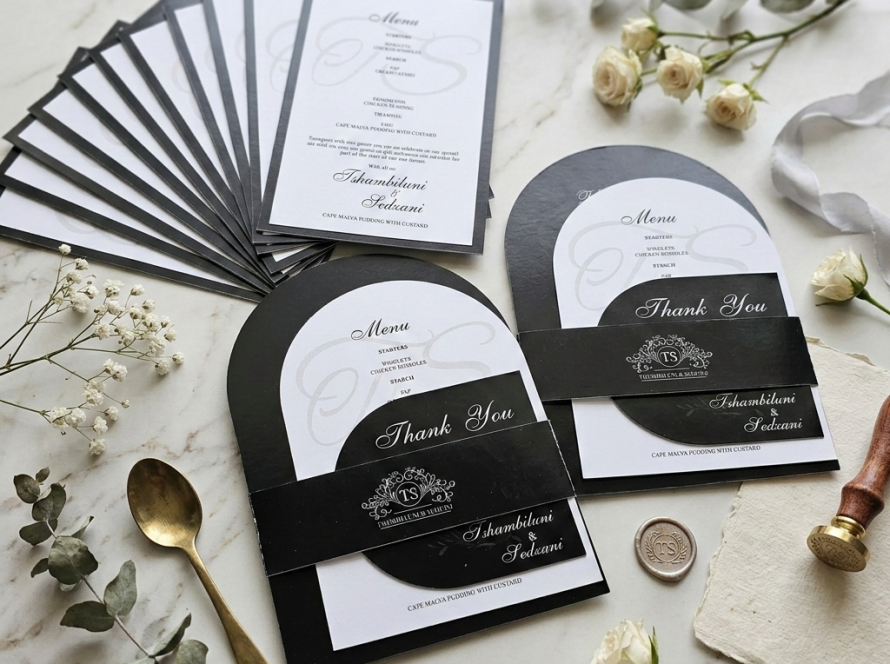
Give with meaning, not obligation
Personalised wedding gifts: a practical guide for couples and guests
Quick answer: A personalised wedding gift works when it matches three things: the recipient, the way it will be used and the meaning you want it to carry. Decide who the gift is for before choosing the product, then personalise one detail well instead of adding names and dates to everything.
The most expensive gift in the room is not automatically the most memorable.
People remember the gift that felt chosen for them. The object was useful, the message was specific, or the presentation turned a familiar item into part of a story. Personalisation can create that feeling—but only when it serves the recipient instead of decorating the giver’s intention.
Whether you are buying for the couple, thanking a wedding party or choosing guest favours, this guide will help you spend on meaning rather than clutter.
First decide who the gift is for
“Wedding gifts” can describe several completely different purchases. Each has a different job.
For the couple
Celebrate their shared life with something meaningful, useful or connected to the ceremony.
For the wedding party
Thank people for time, support and responsibility with an individual message or practical keepsake.
For guests
Offer a favour only when it adds warmth, usefulness or a memorable part of the celebration.
For parents and helpers
Acknowledge a specific contribution with words that explain why the gift matters.
Once the audience is clear, quantity, budget and personalisation become easier to decide. A single heirloom for a couple is a different project from 150 favours, even if both begin with the same idea.
The three-part test for a better wedding gift
1. Will the recipient use or display it?
Useful does not have to mean ordinary. A mug, glass or keepsake becomes more valuable when the design suits the person and the item belongs in their real life. Before ordering, imagine where it will live after the wedding.
2. Does the personalisation add meaning?
A name, date, vow, private phrase or role can make an object specific. More text does not make it more personal. Choose the detail that connects the recipient to the event and give it enough space to feel intentional.
3. Is the presentation consistent with the occasion?
Packaging, a thank-you card and the moment of giving shape the experience. A modest gift with a specific handwritten message can feel more generous than a premium item handed over without context.
Personalised gifts for the couple
A vow plaque for words worth keeping
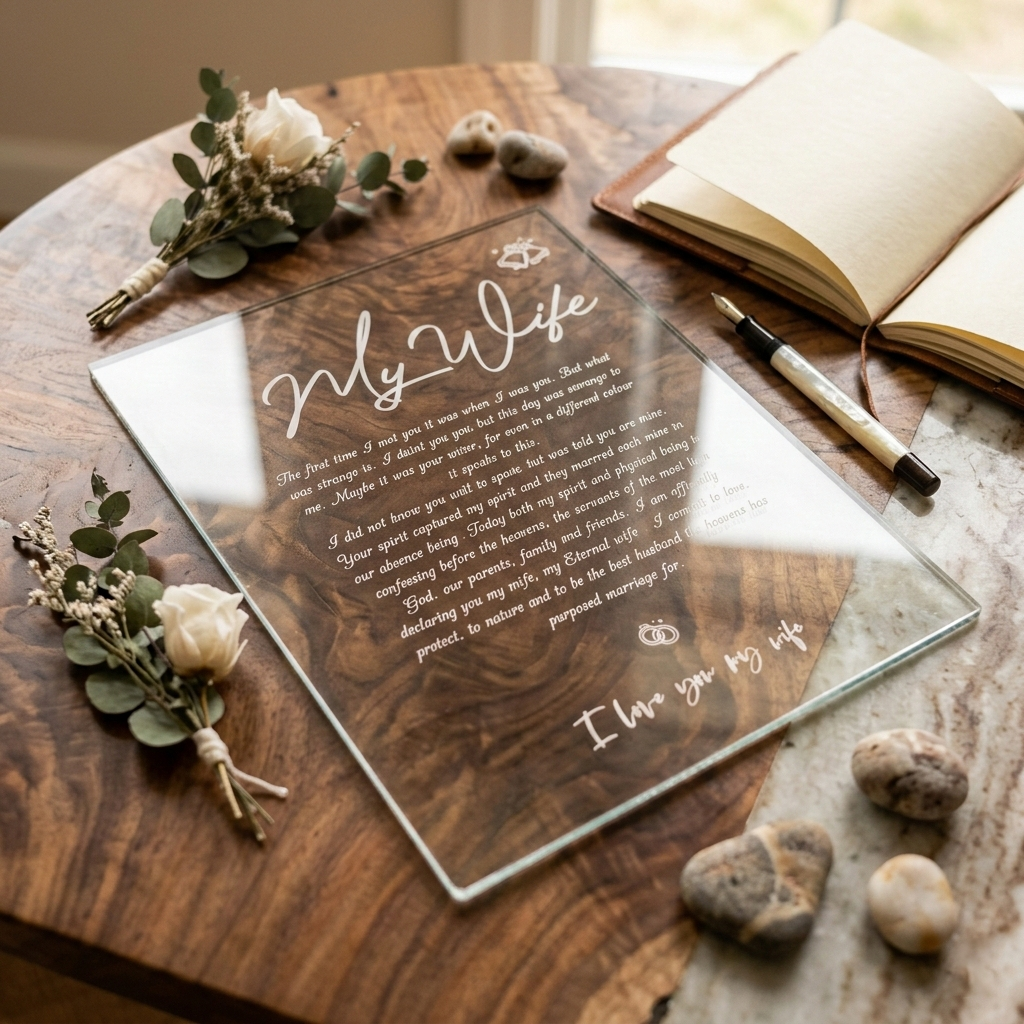
Vows are often read once and stored on a phone or sheet of paper. A personalised acrylic plaque turns selected words, names and the wedding date into a display piece. It is especially suited to a couple who values written promises, modern décor or ceremony keepsakes.
The Uniplex Acrylic Wedding Vow Plaque is available in an A5 format on 3 mm acrylic, with finish and production options shown on the product page. Proof every word exactly as it should appear; emotional text deserves technical accuracy.
A cake topper that can outlive the cake
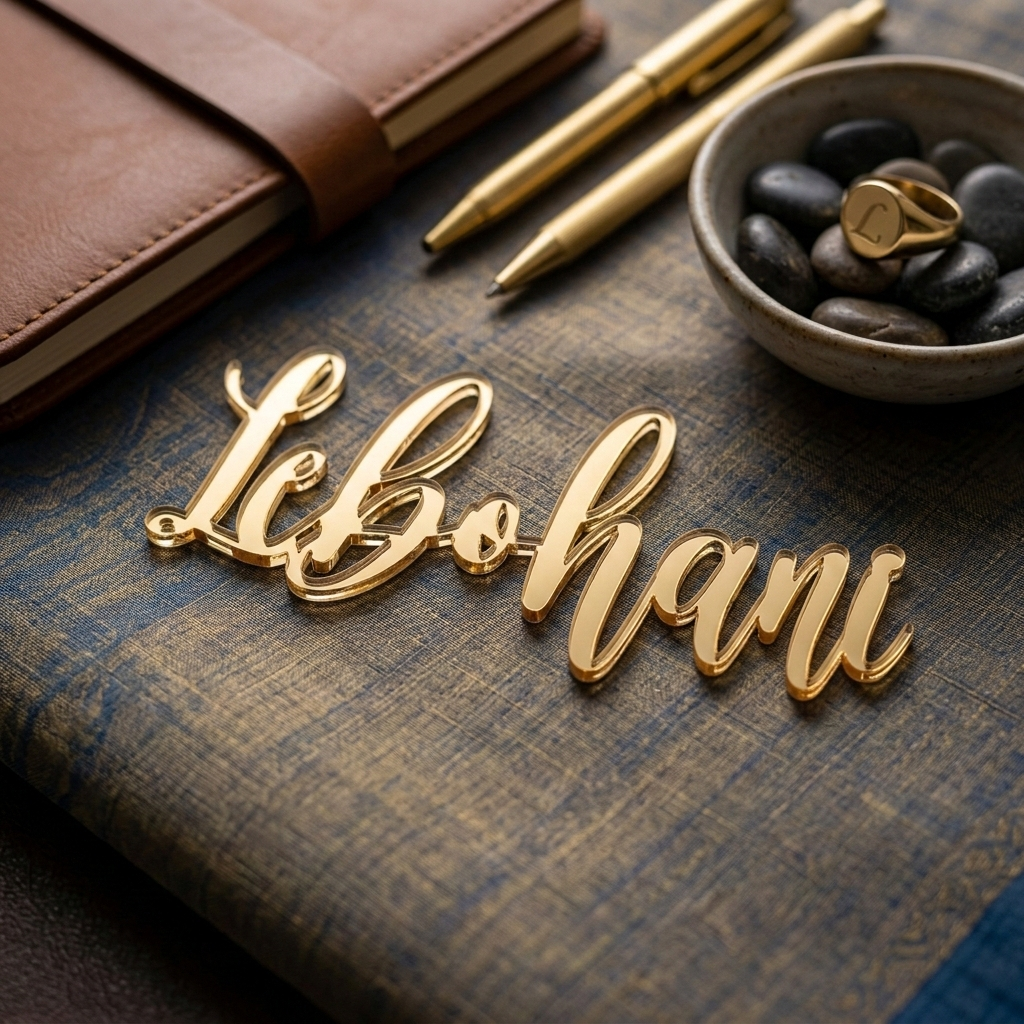
A personalised topper gives the cake a focal detail in photographs and can be kept after the event. Names, a date or a short message usually work better than a long phrase.
Thanking the wedding party
The people standing with you often contribute time long before the ceremony. The best thank-you gift recognises that contribution personally.
Personalised mugs
A mug can carry a name, role, photograph, private joke or message and remain useful after the event. Give each person the same product but change the personal detail, or use a shared design with individual names.
The Uniplex Personalised Mug supports full-colour customisation. Keep the design readable from normal viewing distance and consider whether the recipient would prefer wedding branding or something more timeless.
Mini champagne flutes
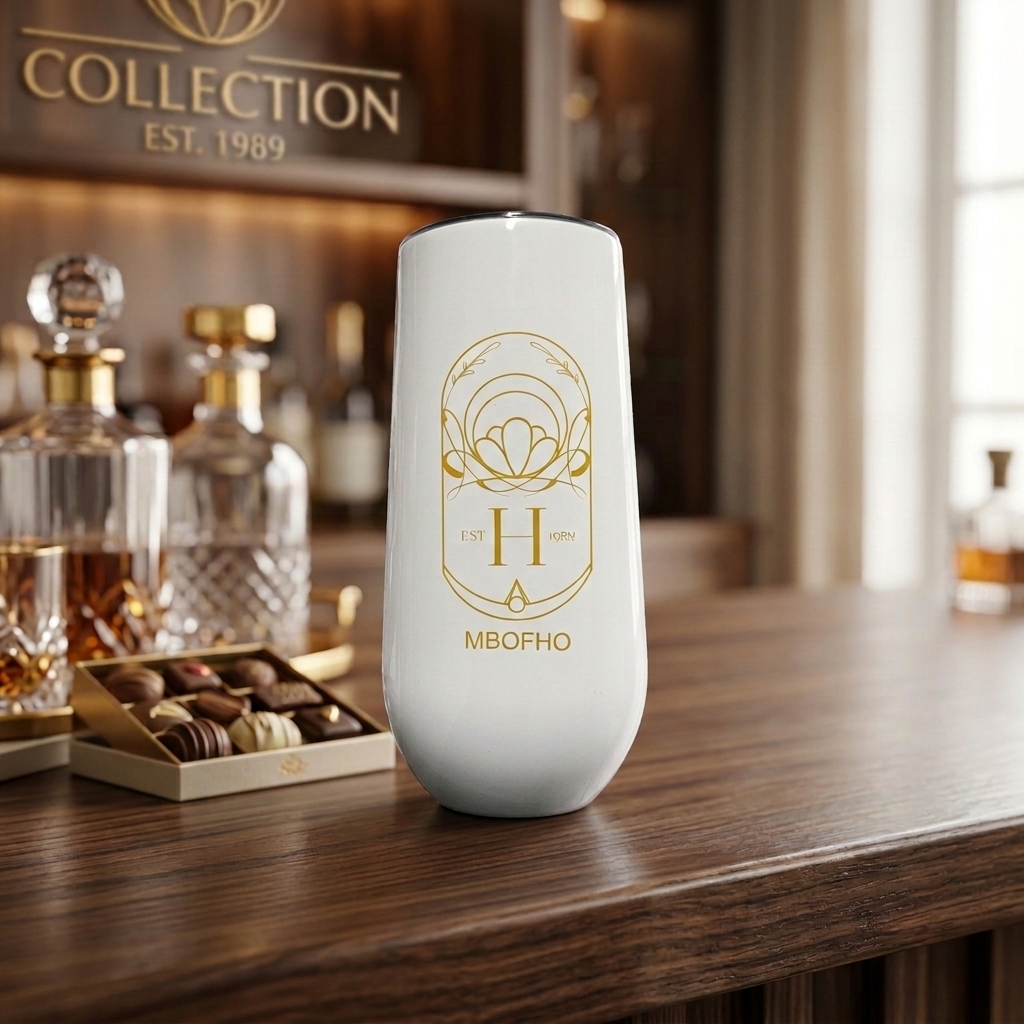
A personalised flute can be part of a proposal box, getting-ready moment, toast or wedding-party gift. Initials or a name are often enough. For a larger group, use one consistent placement and supply final spelling in a clean list.
Wedding favours: useful, meaningful or optional
Favours are not a debt owed to every guest. Hospitality is already expressed through the celebration. If a favour does not fit the budget, the story or the guest experience, it is acceptable to leave it out.
If you do offer favours, choose one of three clear purposes:
- Useful: something guests can use after the event.
- Edible or experiential: something enjoyed during or shortly after the celebration.
- Meaningful: a keepsake tied to your families, culture, place or story.
One small item per guest is common. A more substantial gift can be planned per couple or household, but make that distribution clear so nobody wonders whether an item is missing.
Should every favour have the couple’s names?
Not necessarily. Guests may use an item longer when the design feels like theirs rather than event advertising. A subtle date, monogram, pattern or thank-you message can connect it to the wedding without dominating the object.
How to personalise without creating errors
Personalised orders concentrate risk. A single spelling error repeated across a batch is far more costly than an error on a handwritten note. Use one controlled data source.
- Collect preferred names rather than assuming formal names.
- Keep names, roles and messages in separate columns.
- Remove duplicates and confirm quantities before design.
- Decide how long names will fit within one layout.
- Check capitalisation, accents and titles.
- Approve a representative proof and the final data list.
- After approval, avoid casual changes sent across several channels.
If you are ordering a single keepsake, read the proof aloud and compare it with the original source. For vows, dates and names, accuracy is part of the emotion.
Three levels of wedding gifting
A small personal token
Choose one useful object and one specific personal detail. This works for a larger wedding party or guest favour when quantity matters.
A considered presentation
Combine the item with a card, coordinated wrap or moment of giving. The added value comes from context rather than simply adding more products.
An heirloom keepsake
Preserve meaningful words or a design that belongs in the couple’s home. This level is about longevity, proofing and material choice rather than volume.
Close the gift with a thank-you
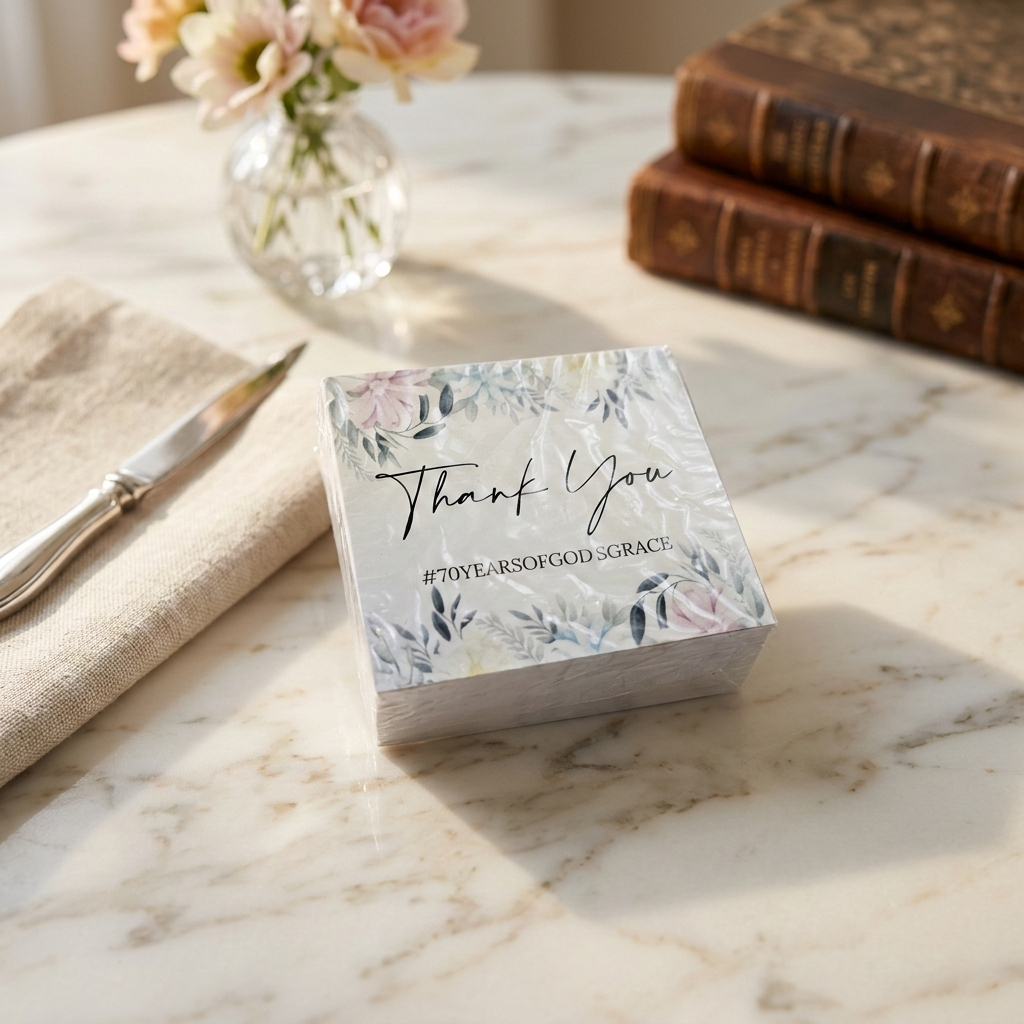
A personalised object does not replace personal words. Thank attendants, parents and gift-givers with a message that names what they did or what the gift meant. Etiquette guidance traditionally recommends prompt handwritten notes, with wedding thank-yous completed within three months of receiving a gift.
Your wedding gift ordering checklist
- Recipient: couple, attendant, parent, helper or guest
- Purpose: useful gift, thank-you, favour or heirloom
- Quantity: per person, couple, household or role
- Personalisation: exact name, date, message, vow or artwork
- Design direction: colours, typography and level of wedding branding
- Product method: print, engraving or other option confirmed on the product page or quote
- Presentation: card, wrap, placement or giving moment
- Proof approval: final wording and clean recipient list
- Event date: shared early enough for scope and production timing to be confirmed
Frequently asked questions
Are wedding favours compulsory?
No. They are optional. Invest first in guest comfort, clear communication and the parts of the celebration that matter to you. Add favours when they have a clear purpose.
Should gifts include the wedding date?
Only when the date adds meaning and the recipient will enjoy seeing it later. For practical items, a name, initials or subtle motif may have more lasting appeal.
What can be written on a personalised wedding gift?
Names, initials, roles, the wedding date, a short vow, a private phrase or a specific thank-you can all work. The available space and production method should guide the length.
Can we combine several products into one gift?
Yes, but each item should have a purpose. A coherent small set with a personal card usually feels more thoughtful than a box filled only to look abundant.
Give something that still matters afterwards
A strong wedding gift is not trying to prove how much was spent. It proves that the recipient was seen. Choose the audience, choose the purpose and personalise the detail that carries the meaning.
Planning references: favour planning principles cross-checked against The Knot’s wedding favour guide; thank-you timing from Emily Post. Product options, personalisation and availability should be confirmed on the linked product page or in your quote.