The Uniplex Guide · Branding & Business
How to Choose Corporate Gifts Customers Will Actually Use
Quick answer: Choose corporate gifts by identifying who receives them, where they will use them and why the item is worth keeping. Then check quality, branding space, quantity and the full cost. A useful, well presented item usually gives your brand a better opportunity to be seen than a random giveaway.
A gift only creates an opportunity for your brand while someone keeps it, uses it or remembers the gesture. Putting a bigger logo on an unwanted object does not solve that problem.
If you are deciding how to choose corporate gifts, begin with the recipient’s routine. The right question is: “Where could our business be helpful in this person’s day?” That produces a stronger shortlist than sorting a catalogue by its lowest price.
Choose the recipient before the product
A customer thank-you, a new employee welcome and an exhibition giveaway are different jobs. They should not automatically receive the same item. Write down the audience and the moment in which the gift will be handed over.
For example, a desk-based client may value something for the workday. A travelling team may need a portable item. Visitors who already carry several giveaway bags may appreciate a focused conversation more than another bulky object.
Before ordering, ask three practical questions: Will the recipient use this? Does the quality reflect our business? Does it suit their routine? Use those answers to compare gift options instead of assuming that a popular item will automatically generate sales.
Use a five-question shortlist
- Will this person use it? Name a realistic setting and activity.
- Does it feel appropriate for our relationship? A modest welcome and a milestone thank-you need different levels of formality.
- Would it still be appealing without our logo? This tests whether the product itself has value.
- Can the branding be clear and tasteful? Consider the usable area and the printing method.
- Can we give it properly? Plan quantities, names, presentation and the handover.
Reject an item if you cannot explain its usefulness in one sentence. That keeps your order purposeful even when the catalogue is large.
Three practical directions to consider
For a daily office ritual: personalised mugs
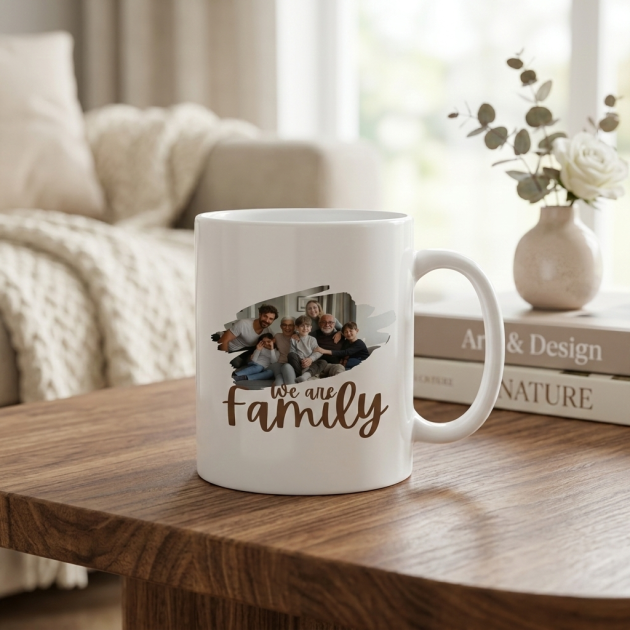
Personalised Mugs offer space for a logo, name or message. Keep the layout readable and consider which side is visible when someone holds the handle. If each mug carries a name, approve the spelling list as carefully as the design.
A short, sincere message can make the gesture feel more personal. Avoid filling every available centimetre with services and phone numbers; a gift still needs to feel like something the recipient would choose to use.
For planning at a desk or counter: wall calendars
Wall Calendars may suit businesses whose clients work with dates, bookings or schedules. Check that the layout is useful at its printed size, with accurate dates and clear contact details. Plan early enough for the calendar to reach its audience before the relevant year begins.
Do not assume everyone wants a wall calendar. Ask a few representative customers whether they have a suitable place for one. Their answer is more valuable than a universal claim about brand impressions.
For a different everyday format: vacuum mugs
The Double Wall Stainless Steel Vacuum Mug – 1.2 Litre is another option to investigate. Consider size, handling and the recipient’s routine, then confirm the selected item’s branding and care requirements. A large drinkware item will not suit every bag, desk or setting.

Set the budget per complete gift
Include the product, decoration, artwork or setup, personalisation and any agreed packaging. Check whether the selected quantity refers to pieces or packs. If several designs or names are involved, confirm how those variations affect the cost.
Use one consistent specification when comparing suppliers. An unbranded item and a personalised, packaged item are not comparable prices. Review the final options and quotation before paying.
Make the branding easy to live with
Supply the correct logo and ask for an appropriately sized application. Avoid very fine text in a small branding area. Consider how the item looks from its normal viewing angle rather than only the flat proof.
Check a sample when the decision warrants it. Hold the item, inspect the finish and assess the intended packaging. A product photograph can help you shortlist; it cannot demonstrate every physical detail.
Give the gift a relevant next step
A gift does not need an aggressive sales message. A thoughtful note can thank a client, explain a useful service or invite them to contact the person who already supports their account. Make the next step appropriate to the relationship.
For an event giveaway, pair it with a relevant conversation and a clear contact route. Record genuine enquiries separately from the number of gifts distributed. Giving away 200 items does not mean you gained 200 prospects.
A supplier thanks repeat customers with a useful calendar and a brief note about how to request their next quote. The objective is an easier repeat-order conversation. The team tracks actual enquiries and orders rather than claiming a guaranteed return from every calendar.
Corporate gifting questions answered
Should our logo be large?
Large enough to read clearly within the supported branding area. The best size also respects the product’s appearance and how it will be used.
Is a more expensive gift always better?
No. Relevance and usability matter. A carefully chosen modest gift can suit the recipient better than an expensive item with no clear use.
Can we personalise each item?
Check the specific product and method. Supply one checked name list and confirm the cost and proofing process for individual variations.
What should we avoid?
Unverified claims, incorrect names, poor-quality artwork and products selected solely because they are cheap. Also check whether the recipient’s organisation has a gift policy.