The Uniplex Guide · Branding & Business
How to Choose a Branding Partner in South Africa: 12 Questions to Ask
Quick answer: Choose a branding partner by checking relevant samples, a detailed written quotation, a clear approval process and a reliable contact person. The right supplier should explain what will work on your actual products, what the price includes and what must happen before production starts.
You can buy a logo on a shirt almost anywhere. What is harder to buy is confidence: confidence that the colour will make sense, the team will look consistent and the finished order will match what you approved.
If you are wondering how to choose a branding partner, begin with the decisions that could cost you twice. A vague quote can become an expensive order. An attractive mock-up can hide an unsuitable print method. A low unit price can distract you from an item nobody will use.
Use these questions when comparing suppliers for business printing, workwear, gifts or event displays. Keep their answers in writing so you can compare the same job.
First, decide what the branding needs to achieve
Write one sentence before requesting prices: “We need our field team to be easy to identify on client sites,” or “We need visitors at our exhibition to understand our offer and request a demonstration.” This gives the supplier a practical problem to solve.
Then name the audience, the setting, the quantity and the intended use date. These four details are more useful than asking for “your best branding package”. A good partner can suggest a smaller, better focused order if it meets the objective.
12 questions to ask a branding company
1. Have you produced this type of item before?
Ask for a relevant sample or a clear photograph of comparable work. A superb poster does not prove that tiny lettering will embroider neatly. Inspect the type of output you plan to order.
2. Why is this product suitable for our audience?
Expect an explanation connected to how the recipient will use it. For a travelling sales team, fit and practicality matter. For a reception desk, presentation and legibility might matter more. Product choice should have a reason beyond the supplier having stock.
3. Which branding method will you use, and why?
Ask about the exact material, logo size and position. A supplier’s product-specific branding limits matter: seams, curved surfaces and construction can reduce the usable area. Confirm the recommendation for your selected item rather than assuming every method is available.
4. What is included in the written price?
Request separate clarity on the blank product, decoration, setup, design, proofs, tax and any other applicable charges. Ask whether the figure is for one item or a pack. Compare final totals using the same quantities and specifications.
5. Who checks the artwork?
A file opening successfully does not mean it is production ready. Establish who checks image quality, logo format, print area and missing elements. Agree whether correcting the file is included or separately quoted.
6. What will we approve before production?
Ask what the proof represents: spelling and placement, or also a physical material and colour reference. A screen image cannot fully show texture, scale or the feel of a print. Decide whether a sample is needed for a significant order and confirm its cost.
7. When does the production period begin?
Clarify which approvals, payment and stock confirmations must be complete first. Separate artwork preparation from production and handover. Share your intended use date early and obtain the applicable standard schedule in writing.
8. What happens if stock changes?
Record the chosen code, colour and sizes. Ask when availability will be confirmed and whether you will approve substitutions. A different shade or garment cut can change the consistency of the whole team.
9. What happens if the result differs from the approved specification?
Ask how to report a problem, which evidence is needed and how it will be assessed. Keep the quotation and final approval. A clear process is more useful than an undefined promise that everything will be perfect.
10. Who owns and receives the final design files?
Clarify the agreed deliverables, usage permissions and availability of editable files before paying for design. A print PDF, a vector logo and an editable layout are different deliverables.
11. Can you support repeat orders?
Ask how the supplier records approved branding size, position and colour references. Request the product code and specification yourself as well. Repeatability should be documented, especially when you recruit new staff later.
12. Who is responsible for communication?
Name one approver in your business and ask for a clear supplier contact. Agree where final changes will be recorded. Contradictory instructions from several people make an otherwise straightforward order difficult.
Compare evidence, not just a presentation
| Check | Useful evidence | Reason to clarify |
|---|---|---|
| Quality | A relevant finished sample | Only digital mock-ups |
| Price | One complete specification and total | Unexplained extras |
| Approval | A recorded final proof | Unclear production sign-off |
| Repeatability | Stored codes and branding details | “We will remember it” |
Start with a purchase that proves the working relationship
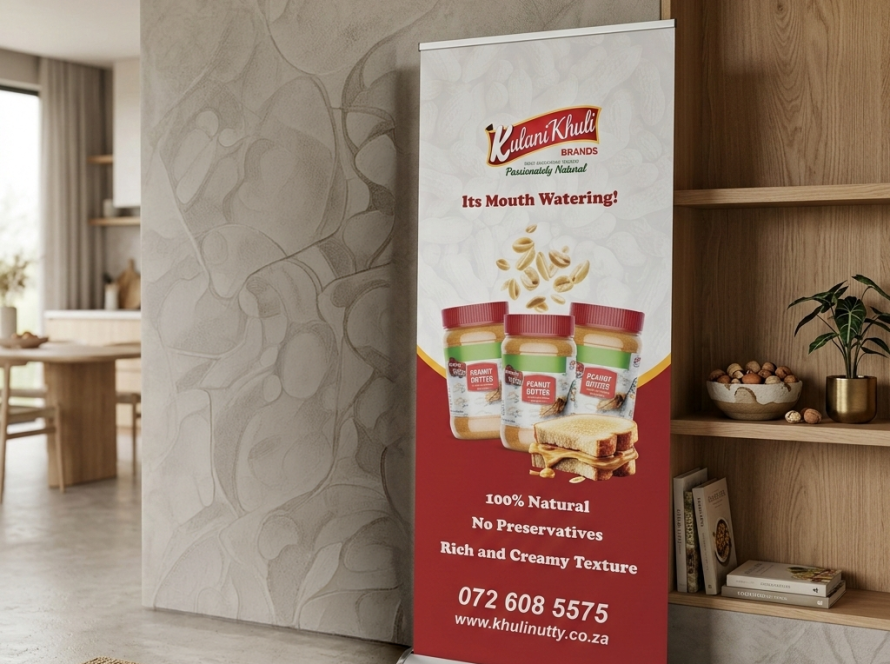
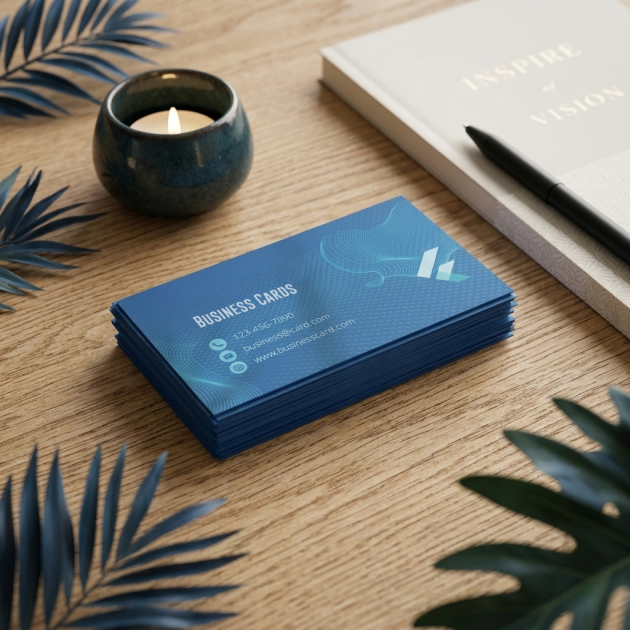
If the specification is unfamiliar, discuss a suitable sample or modest first order before committing widely. For print, explore Business Cards or Flyers. For a repeatable event presence, review the Pull up Banner. These are starting points, not a compulsory bundle.
Questions buyers often ask
Should I choose the cheapest branding quote?
Only after confirming that it covers the same product, decoration, quantities and approval process. A cheaper total for a different specification is not a like-for-like saving.
Do I need separate companies for design and printing?
You can use either arrangement. What matters is a clear handover: correct files, agreed responsibilities and one final approved version. Ask who resolves artwork issues before the job reaches production.
Can one supplier handle everything?
Possibly, but verify each product category and the actual scope. A convenient single point of contact still needs a clear specification for every item.